From story pole to screen to machine: Roger Taylor’s legacy
Manufacturing
David Carr
From Story Poles to Software: The Roger Taylor Legacy Behind Mozaik
The cabinetmaking industry is built on precision, craft, and tradition. Yet behind the workbenches and sawdust, one man helped transform how shops everywhere design, cut, and build. Roger Taylor, founder of both Cabinet Vision and later Mozaik Software, spent over four decades pioneering technology that reshaped the workflow of thousands of shops.
Today, with Mozaik now part of Cyncly, his story offers more than a history lesson. It shows how a mix of vision, marketing instinct, and loyalty to the craft can turn local challenges into global solutions.
This is the story of Roger Taylor’s journey – from his roots in a cabinet shop to creating software that would become indispensable to small, specialist cabinet makers around the world.
A craftsman’s eye meets a mathematician’s mind
Roger grew up in Tuscaloosa, Alabama, the son of a cabinet maker. His early years in his father’s shop taught him the “story pole” method – measuring a wall with a stick of lumber, then marking out cabinet placements by hand. It was an effective, if painstaking, process.
At the same time, Roger was pursuing mathematics and computer engineering, drawn to the emerging possibilities of PCs. This unusual blend of woodworking and numbers would prove decisive.
When he first saw Larry Cornwell’s early cut-list generator for drawer boxes and five-piece doors, Roger instantly recognized its potential. Cabinet makers had struggled for decades to calculate cut lists accurately and consistently. Here was a way to turn math into time savings, accuracy, and profit.
That moment set Roger on a path that would define his career: applying technology to solve real problems for real cabinet makers.
The birth of Cabinet Vision
In the late 1980s, Roger joined forces with Cornwell to bring their ideas to market. The software that emerged – Cabinet Vision – quickly became a game changer.
What set it apart wasn’t only the coding genius behind it. It was the way Roger introduced it to the industry. At a time when most shops didn’t even own computers, selling software wasn’t about features; it was about trust. Roger understood that, and his a pproach reflected his cabinetmaking roots.
He insisted on walking the shop floor during demos, listening to each customer, then showing how the software mapped to their unique process. “How would a cabinet maker think?” became the North Star guiding development.
The first versions ran on DOS, using nothing more than a 10-key pad to lay out walls, cabinets, and windows. But even with this clunky interface, it was powerful. Cabinet Vision could generate cut lists and drawings in minutes – tasks that once took hours. For skeptical shop owners, seeing was believing.
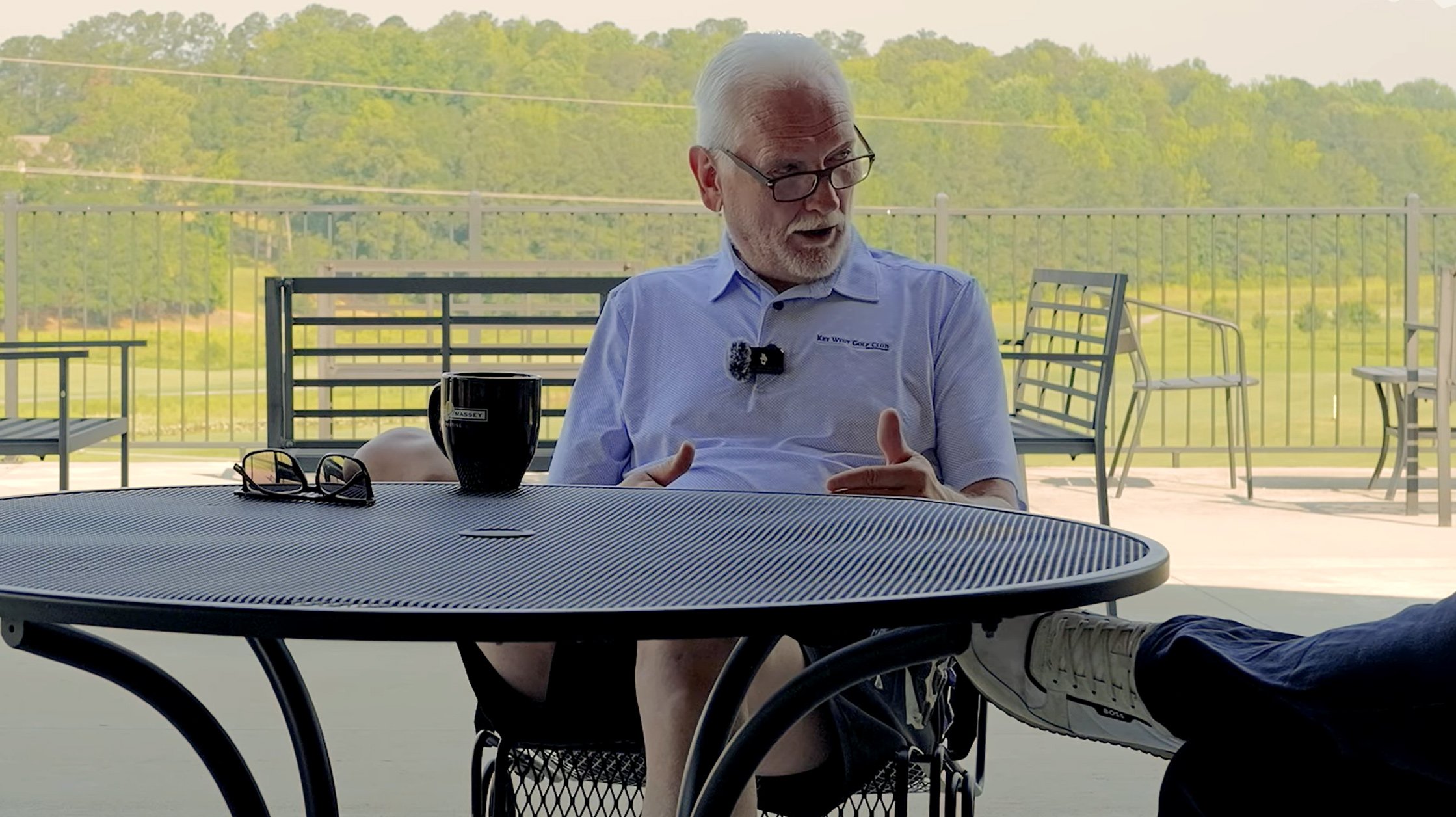
Watch the full story of these early days in the interview with Roger Taylor.
Screen to Machine: a phrase that changed everything
By the mid-1990s, CNC machines were beginning to enter shops. Cabinet Vision had already shifted from DOS to Windows, rewriting the software from scratch to take advantage of new technology. That leap positioned Roger and his team to do something no one else had yet achieved: connect design directly to machine output.
The phrase he coined for it – “Screen to Machine” – captured the concept perfectly. Shops could design a job on screen, then send code straight to a nesting router or CNC saw. No re-entry, no wasted steps.
At first, machinery vendors resisted. Nesting was seen as a threat to their high-dollar pointto- point machines. But within a year, the tide had turned. Every major manufacturer wanted their machines to be compatible with Cabinet Vision.
Screen to Machine didn’t just sell software; it redefined how cabinet shops operated. It reduced costs, improved accuracy, and opened the door for smaller shops to embrace CNC automation.
The marketing genius behind the growth
Technical innovation was only part of Roger’s impact. He had an instinct for marketing long before social media or YouTube.
One of his boldest moves was mailing 78,000 demo CDs to cabinet shops across North America. It was a six-figure gamble, but it paid off spectacularly. Suddenly, shops everywhere were watching interactive demos in their own offices. Competitors later admitted they couldn’t close deals for years afterward because every customer had the CD on their desk.
Trade shows became another stage for Cabinet Vision’s rise. From driving pin plotters in the booth to showcasing ornate CNC-crafted desks, Roger knew how to draw a crowd. In 1998, Cabinet Vision Solid won the prestigious Challengers Award at IWF. By then, Roger wasn’t even demoing anymore – he was just taking orders, one after another.
Stepping away, then starting again
Cabinet Vision’s success eventually drew the attention of investors. In 1998, the company was sold, and Roger stayed on as president for several years. But as corporate oversight grew, development priorities shifted. Decisions were no longer grounded in the cabinetmaker’s perspective.
By 2003, Roger had left. For many, that would have been the end of the story. But he wasn’t finished.
He launched MachineWorx, selling CNC equipment, and WoodWorx, a cabinet shop that doubled as a testing ground for new ideas. Those ventures gave him a fresh perspective: he saw firsthand how shops were struggling to balance the soaring cost of software with the falling price of CNC machines.
One conversation sealed his next move. A machinery vendor told him, “When you introduced Screen to Machine, that’s why my customers bought machines. Now, it’s why they don’t.” Software had become too expensive, pricing out the very shops it was meant to empower.
Roger knew there had to be a better way.
Mozaik: software built for small shops
In 2005, he began planning his third act: Mozaik Software. The concept was radical for its time. Instead of selling software as a huge upfront purchase, Mozaik would use a subscription model.
For as little as $125 a month, a shop could access cabinet design, cut lists, CNC output, and updates – all with training and support included. Roger also introduced a three-month trial, giving shops the freedom to test the software in real projects before committing.
When Mozaik debuted at IWF 2012, competitors laughed at the pricing model. But within hours of opening, it was clear the idea resonated. Roger sold more than 40 systems at that show alone, and Mozaik quickly became one of the fastest-growing solutions for small and mid-sized cabinet makers.
What made Mozaik different wasn’t just affordability. It was designed from the shop floor backward. Roger and his co-creator, Larry Cornwell, started by building the optimization engine and G-code output first, then layered on design tools. Features like tab-based navigation made it easy to learn, cutting onboarding from months to days.
Explore the full interview to hear how Mozaik’s subscription model disrupted the industry.
People first: trainers, not sales reps
If Cabinet Vision’s growth had been fueled by a salesforce, Mozaik’s success was driven by trainers. Roger believed deeply that shops learned best from people who had lived the same work. That’s why Mozaik’s trainers were all former cabinet makers themselves.
They knew the pains of cutting lists, the reality of kickback from a table saw, the pressure of installation deadlines. That shared experience built trust and helped shops adopt new workflows with confidence.
It also reflected Roger’s long-standing belief: success in software is about more than code. It’s about people – employees, trainers, and above all, customers.
Legacy and the future under Cyncly
After nearly a decade of rapid growth, Mozaik had become a trusted partner for thousands of shops. In 2022, Roger sold the company to Cyncly, ensuring its long-term future while stepping back to focus on his new venture, a golf course in Tuscaloosa.
This time, the decision wasn’t about money alone. It was about legacy. Roger wanted Mozaik’s customers and employees to thrive under an organization with global reach and resources. He also secured continuity by making sure leadership would pass to those w ho shared his philosophy of building for cabinet makers first.
Looking back, Roger’s journey traces a full circle. From his father’s story poles to Mozaik’s G-code, his work has always been about solving the same challenge: how to help craftsmen do their jobs better.
Why his story matters today
For small, specialist cabinet makers, Roger’s legacy is more than history. It’s proof that innovation doesn’t have to come from Silicon Valley. It can come from a workshop in Alabama, born out of the daily frustrations of building cabinets.
Mozaik continues to embody that spirit: simple, powerful, and affordable software designed for the shops that need it most.
Roger once said that the best software isn’t built for flash and pop – it’s built to solve real problems. That’s a lesson worth remembering for anyone balancing craftsmanship with technology.
To hear the full conversation, with all the stories, insights, and humor only Roger Taylor can deliver, watch the complete interview here.
Share this article

Related blogs
Beyond Dealer Transparency
 Manufacturing
2/11/2026
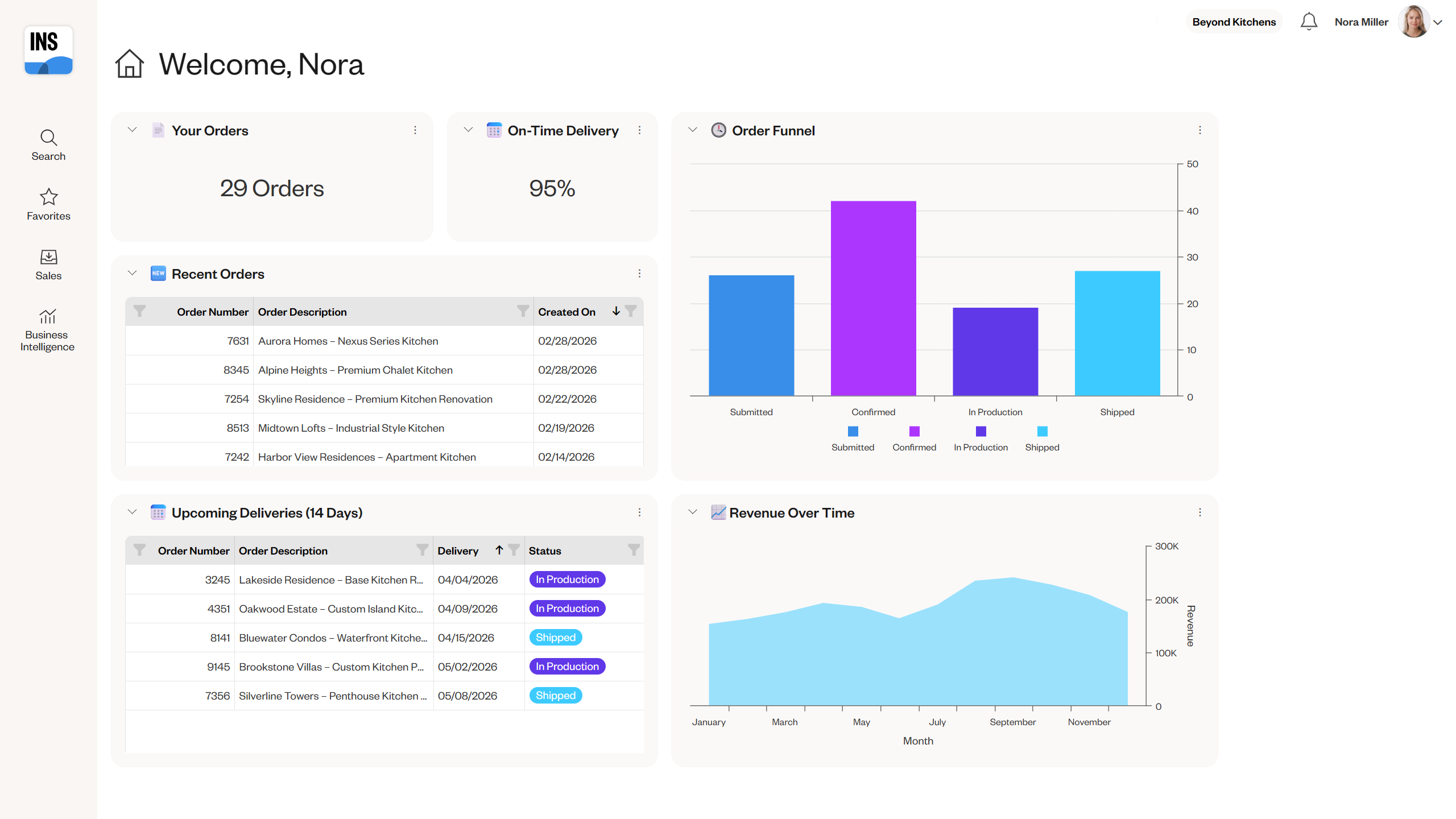
Discover how the Insight B2B Portal transforms manufacturer–dealer collaboration with structured workflows, governance, predictable operations, and scalable efficiency.

Continuing my journey with the CKCA: Technology and the future of manufacturing
Kitchen
Manufacturing
8/14/2024
The CKCA is the voice of the Canadian kitchen cabinet industry – one that connects members to inspire progress, innovation and quality. That’s why I’m so happy to be kicking off my second three-year term on the Board of Directors.

The financial benefits of moving to the cloud
Manufacturing
Windows, Doors & Glass
8/8/2024
Learn about the financial benefits of moving to the cloud, including cost savings, predictable expenses, and reduced maintenance costs.