Interior design contract: Essential elements to protect your business
Kitchen

Vanessa Dekoekkoek
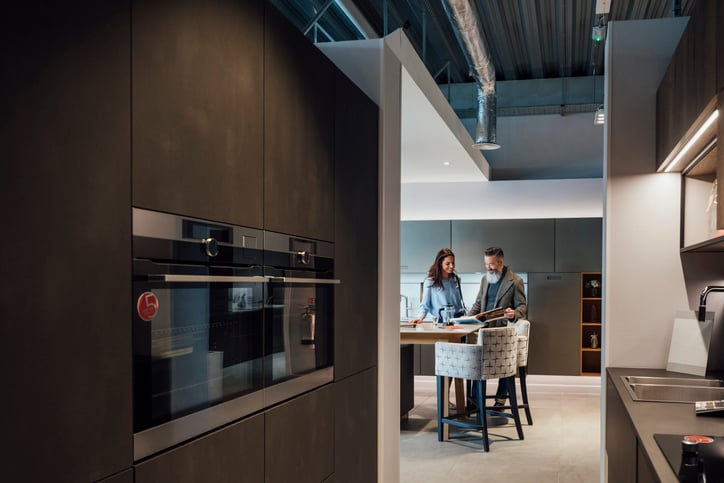
A well-drafted interior design contract is essential for setting clear expectations and protecting your business. This contract serves as a formal agreement between you and your clients, detailing the scope of work, pricing, payment terms, insurance requirements, and more.
Signing a formal interior design contract is crucial. It safeguards you from potential misunderstandings or disagreements that might arise during the project. As long as the contract is clear and both parties have signed it, you, as the designer, are less likely to be held liable for disputes.
If you’re unsure how to draft a legally binding interior design contract, this guide will walk you through the key components to include. Once your contract is drafted, it’s a good idea to have a lawyer review it to ensure it complies with local laws and regulations (as these can vary by state or country).
Steps to preparing an interior design contract
1. The basics
Start with the fundamentals by including your name or your business’s name, address, phone number, and your license number (if applicable). These details are essential for formalizing the agreement.
2. Scope of work
The scope of work should be a detailed list of all the tasks and services you will perform. The more specific you are, the better—especially if you charge a fixed fee instead of hourly rates. Be sure to outline everything that will incur a charge, and clarify that your services do not include those provided by contractors, such as plumbing, electrical work, or ventilation.
3. Design fees
Decide how you will charge your clients—by the hour or with a fixed fee. Specify your rates in the contract and mention that all time spent on the project (including answering emails, phone calls, researching, purchasing, drawing, or making modifications) will be considered billable hours. If you charge by increments, include details about payment timelines upon invoice receipt.
4. Drawings
Your drawings, plans, and renderings should be described as conceptual in nature, setting forth the design intent. It’s important to state that these drawings rely on the accuracy of information provided by the client, and you are not liable for any errors caused by inaccurate data. Additionally, specify that your drawings are for this specific project only and cannot be reused by the client for other purposes.
5. Purchasing
Your contract should clearly state that no goods will be purchased for the project until the client makes a deposit to cover those expenses. If the client prefers to purchase directly from vendors, this should be specified as well.
6. Refunds & cancellations
Include a clause stating that once furnishing items are purchased or an order is placed, they are likely non-refundable, particularly custom-made items. Clarify that you will not be responsible for reimbursing the client if refunds or cancellations are not possible from the vendor.
7. Reimbursable expenses
Your contract should mention that the client agrees to reimburse you for any out-of-pocket expenses related to the project. This might include travel costs, postage, storage fees, and other incidental costs.
8. Payment terms
Clearly define the payment terms in your contract. Specify how long the client has to pay an invoice (e.g., 10 days, 14 days, 30 days). You might also include a clause stating that work will cease if payments are not made on time.
9. Contractors & consultants
Since you are an interior designer and not a contractor, your contract should state that you are not responsible for the work of contractors or consultants. The client should sign separate agreements with these professionals. Make it clear that you do not provide warranties or guarantees for their work, although you will oversee the project to ensure your designs are implemented correctly.
10. Insurance
Include a section about insurance coverage, specifying that the client must have insurance for all furnishings and materials during handling, moving, storage, and installation. Ensure that you also have adequate insurance coverage for the project.
11. Photographs
If you plan to photograph the project for your portfolio or marketing purposes, include a clause that allows you to take photos before, during, and after the project. Specify that these photos can be used for business purposes, such as on social media, in publications, or for advertising, while ensuring client privacy is respected.
12. Termination
Your contract should outline the terms for terminating the agreement. The client should be allowed to terminate the contract at any time with written notice, but they must pay for all outstanding fees and charges incurred up to that point.
By including these elements in your interior design contract, you can ensure a clear understanding between you and your client, minimize potential disputes, and protect your business throughout the project.
Turn your ideas into reality! Find the best software solutions that take your design to the next level. Click here to get started!
Share this article

Related blogs
Homebase just got smarter. Here’s what’s new.
 Flooring
Kitchen
Bathroom
Flooring
Kitchen
Bathroom
7/23/2026
Discover Cyncly Websites' June 2026 updates, featuring five powerful lead management upgrades in Homebase and a visual media library grid view.
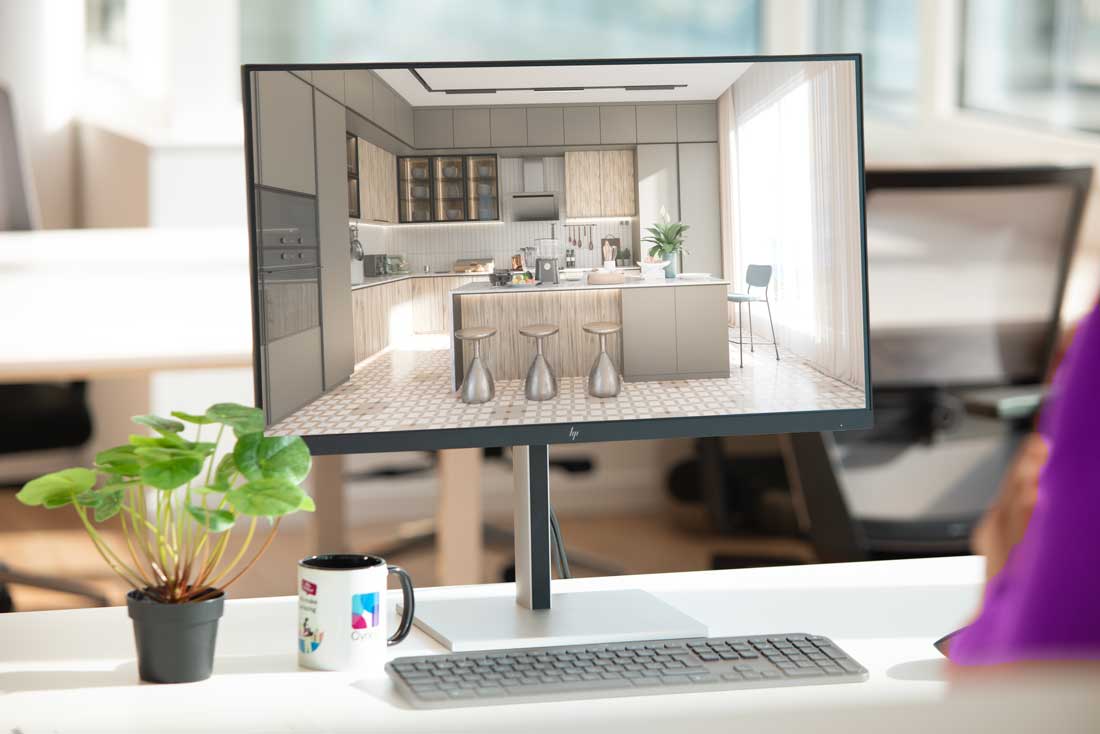
What software do kitchen designers use? An honest look at the tools professionals rely on
Kitchen
7/21/2026
Explore the essential software kitchen designers use, from CAD to specialized platforms like Cyncly Design Flex and Winner Flex.
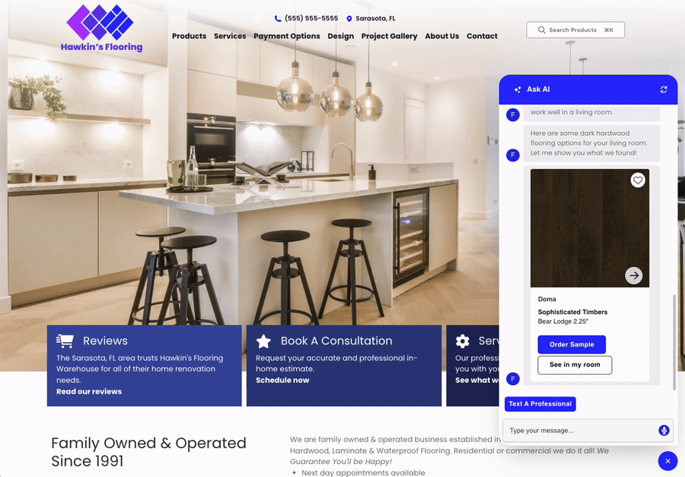
The Connected K&B Website: From First Search To First Consultation
Kitchen
Bathroom
7/20/2026
A K&B shopper spends months researching before contacting a retailer. A connected website lets her explore products, form preferences, and book a consultation at 9pm on a Tuesday — and delivers everything she did to the designer's inbox before the first call. This article walks the nine signals that show where the gaps are and the 90-day path to closing them.