Integrating technology for a seamless customer experience
Küchen Badezimmer

Alexander Ainge
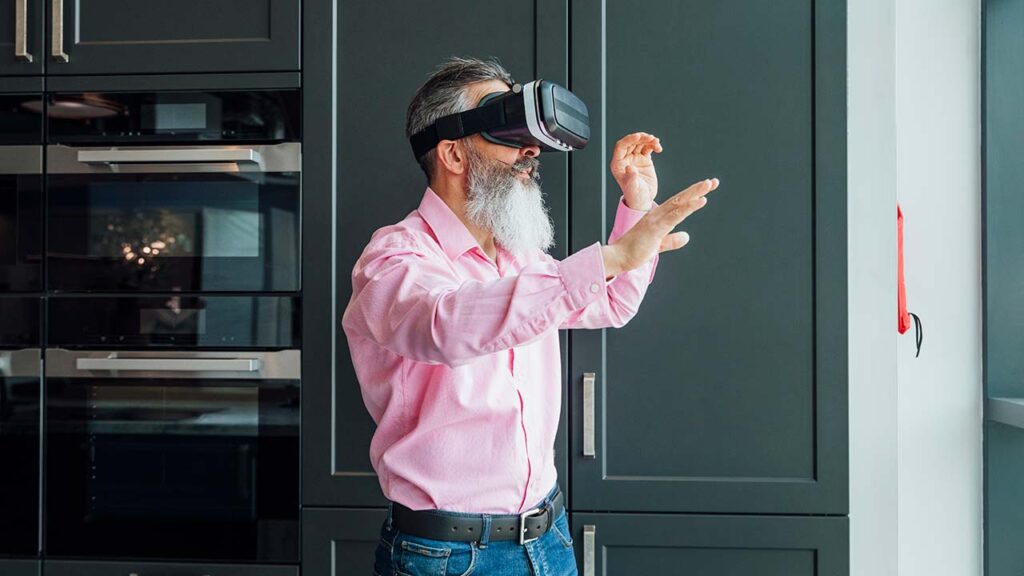
In today’s competitive retail landscape, providing a seamless customer experience is paramount. Retailers need to invest in technology that enhances both online and in-store experiences and bridges the gap between back-end and customer-facing systems. In this blog post, we’ll discuss the technologies retailers can adopt to improve customer experience, how to bridge the gap between different systems, and best practices for implementing a connected customer experience.
1. What technologies can retailers adopt to improve their online and in-store experiences?
- Augmented Reality (AR) and Virtual Reality (VR): AR and VR can help customers visualize products in their homes or explore a virtual showroom, improving their online shopping experience.
- Mobile applications: Retailers can create mobile apps to provide personalized product recommendations, offer exclusive deals, and enable easy navigation in-store.
- Digital signage and interactive displays: In-store digital signage and interactive displays can engage customers, showcase product features, and offer useful information.
- Chatbots and AI-powered customer support: Chatbots can provide quick assistance, answer frequently asked questions, and even help customers navigate through the purchasing process.
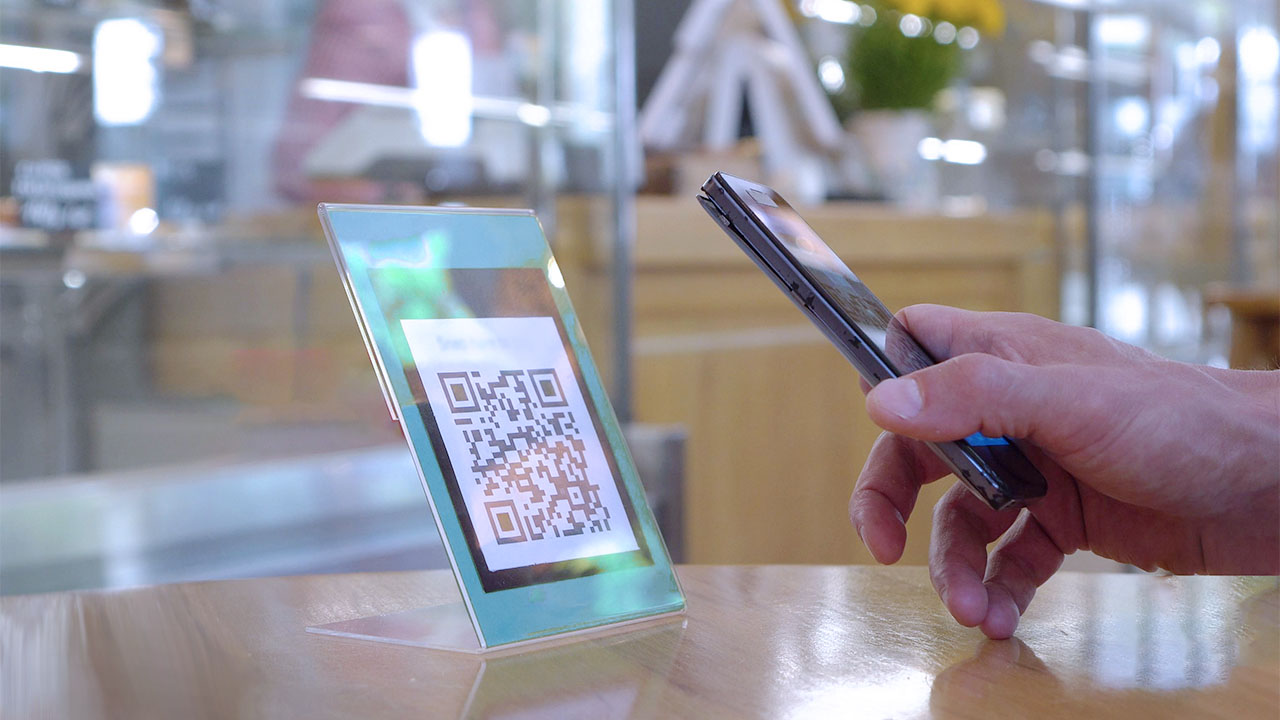
2. How can retailers bridge the gap between back-end and customer-facing systems?
- Implement an integrated software solution: Choose a software solution that seamlessly connects your back-end systems with customer-facing platforms, streamlining processes and improving data accessibility.
- Utilize APIs: Application Programming Interfaces (APIs) can help connect various software components, ensuring smooth data exchange and communication between back-end and customer-facing systems.
- Encourage cross-functional collaboration: Foster a collaborative environment within your organization, encouraging communication between different departments to better understand and optimize the customer experience.
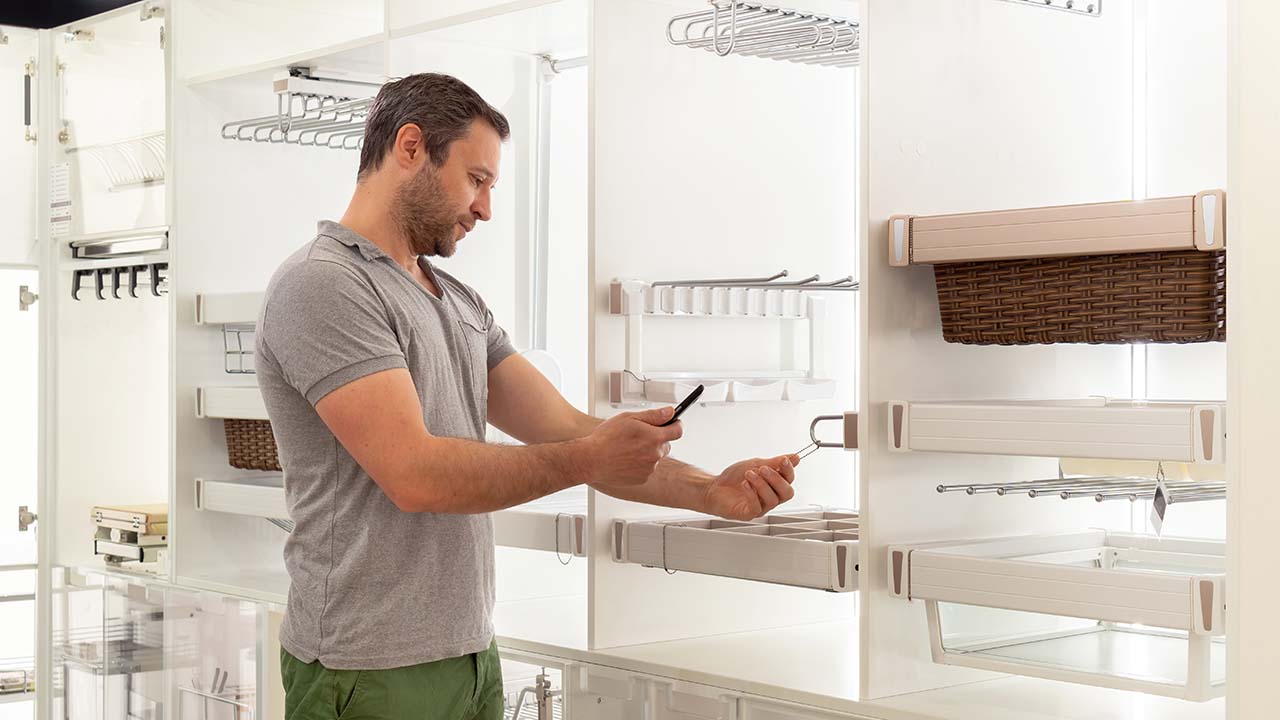
3. What are the best practices for implementing a connected customer experience?
- Prioritize personalization: Use customer data to create tailored experiences, offering relevant product recommendations and marketing messages based on their preferences and behavior.
- Be consistent across channels: Ensure that your brand identity and messaging are consistent across all customer touchpoints, including online, in-store, and on social media.
- Invest in employee training: Equip your staff with the knowledge and tools needed to effectively use the technology, ensuring they can provide top-notch customer service and support.
- Continuously analyze and optimize: Regularly assess the effectiveness of your technology implementations and make data-driven decisions to improve the customer experience.
In conclusion, integrating technology into the retail experience is crucial for creating a seamless, connected customer journey. By adopting the right technologies, bridging the gap between back-end and customer-facing systems, and implementing best practices, retailers can stay ahead of the competition and deliver exceptional experiences to their customers.
To learn more, visit our kitchen and bath industry pages to find the right design software for your needs.
Share this article

Related blogs
Homebase just got smarter. Here’s what’s new.
 Bodenbeläge
Küchen
Badezimmer
Bodenbeläge
Küchen
Badezimmer
23.07.2026
Discover Cyncly Websites' June 2026 updates, featuring five powerful lead management upgrades in Homebase and a visual media library grid view.
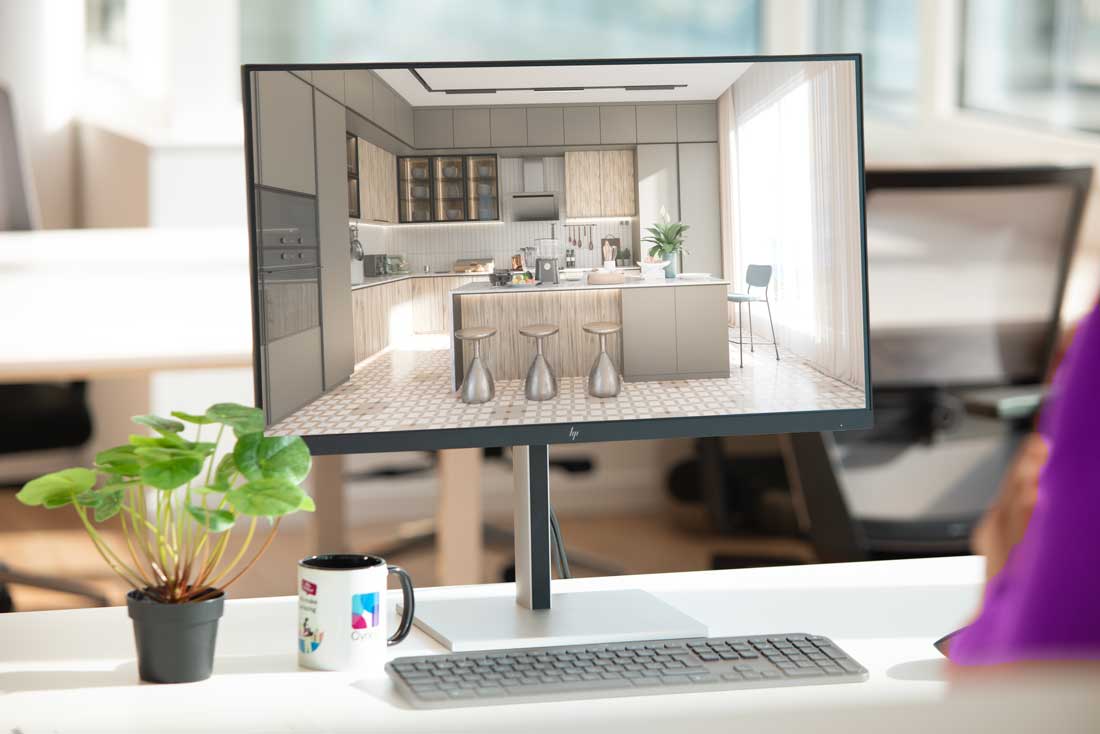
What software do kitchen designers use? An honest look at the tools professionals rely on
Küchen
21.07.2026
Explore the essential software kitchen designers use, from CAD to specialized platforms like Cyncly Design Flex and Winner Flex.
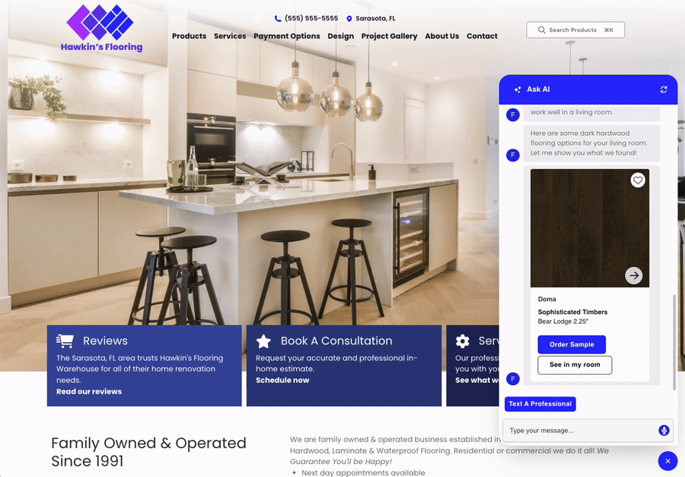
The Connected K&B Website: From First Search To First Consultation
Küchen
Badezimmer
20.07.2026
A K&B shopper spends months researching before contacting a retailer. A connected website lets her explore products, form preferences, and book a consultation at 9pm on a Tuesday — and delivers everything she did to the designer's inbox before the first call. This article walks the nine signals that show where the gaps are and the 90-day path to closing them.