Unlocking the potential of virtual showrooms
Cocina Baño

Alexander Ainge

Driving in-store and online sales with virtual showrooms
Virtual kitchen and bathroom showrooms have emerged as a powerful tool for retailers looking to drive both in-store and online sales. By offering customers a convenient and immersive way to explore products and design options from the comfort of their homes, virtual showrooms can generate interest and inspire customers to make purchases, whether online or in-store. This innovative approach can increase foot traffic to physical stores, as customers may want to see and feel products in person after exploring them virtually.
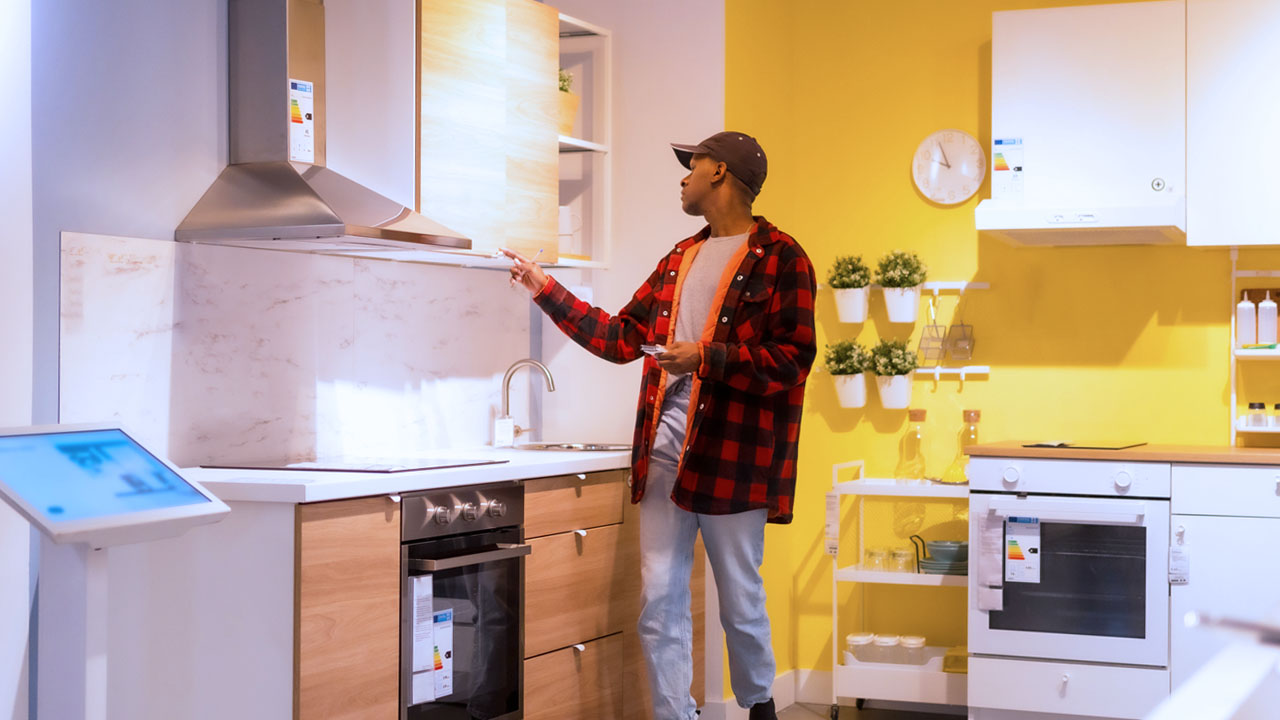
Best practices for creating an immersive virtual showroom experience
To create an engaging virtual showroom experience, retailers should follow these best practices:
- High-quality visuals: Use high-quality images and 3D renderings to accurately represent your products and give customers a realistic view of how they would look in their homes.
- User-friendly navigation: Make it easy for customers to navigate through your virtual showroom, with intuitive controls and clear labels for different sections and product categories.
- Interactive elements: Incorporate interactive features such as zoom, 360-degree views, and customization options, allowing customers to engage with your products and visualize them in various settings.
- Integration with e-commerce: Seamlessly connect your virtual showroom to your e-commerce platform, enabling customers to make purchases directly from the showroom or add items to their shopping carts.

Enhancing customer experience with virtual showrooms
Leveraging virtual showrooms can significantly enhance the overall customer experience, providing several key benefits:
- Convenience: Customers can explore your products and design options at their own pace, without the pressure of a salesperson or the need to visit a physical store.
- Personalization: Virtual showrooms can be tailored to each customer’s preferences, with personalized product recommendations and design suggestions based on their browsing history and interactions.
- Accessibility: Virtual showrooms are accessible from any device with an internet connection, making them an ideal solution for reaching a wider audience, including those who may have difficulty visiting a physical store.
- Customer support: Offer virtual assistance and customer support within the virtual showroom, providing customers with the guidance they need to make informed decisions and complete their purchases.
In conclusion, unlocking the potential of virtual showrooms can significantly impact retailers’ success in driving both in-store and online sales. By following best practices for creating an immersive virtual showroom experience and leveraging this technology to enhance the overall customer experience, retailers can stay ahead of the competition and meet the evolving needs of today’s consumers.
To learn more, visit our kitchen and bath industry pages to find the right design software for your needs.
Share this article

Related blogs
Homebase just got smarter. Here’s what’s new.
 Pisos / Revestimientos
Cocina
Baño
Pisos / Revestimientos
Cocina
Baño
23/07/2026
Discover Cyncly Websites' June 2026 updates, featuring five powerful lead management upgrades in Homebase and a visual media library grid view.
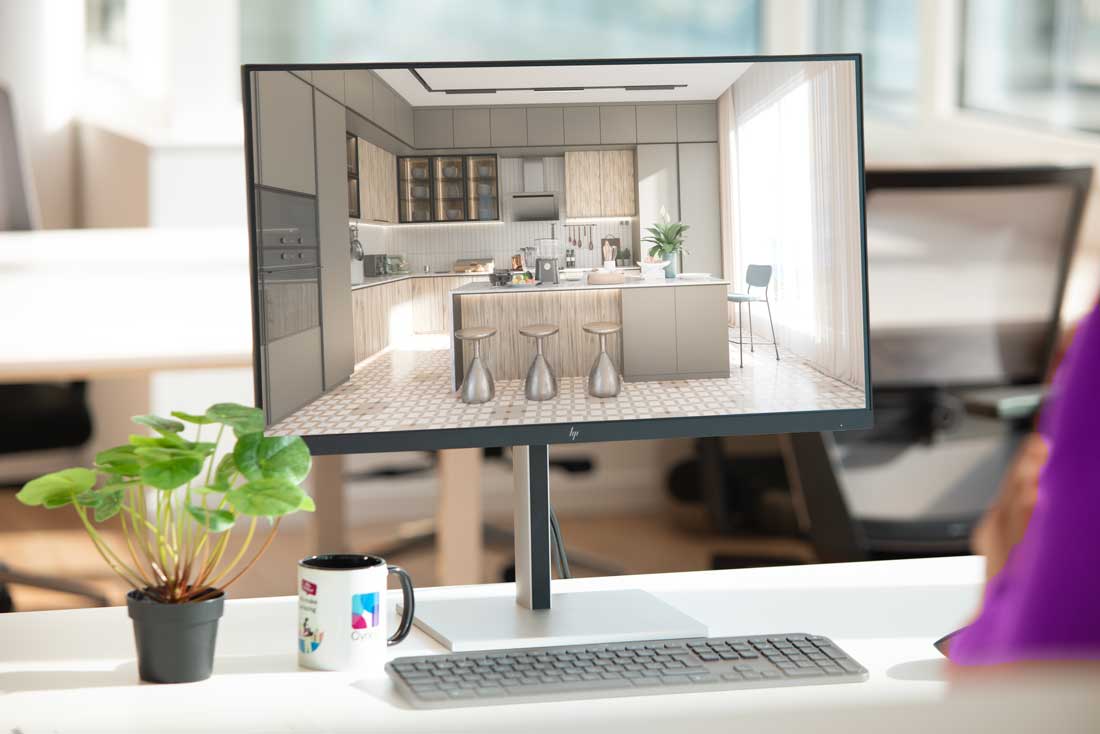
What software do kitchen designers use? An honest look at the tools professionals rely on
Cocina
21/07/2026
Explore the essential software kitchen designers use, from CAD to specialized platforms like Cyncly Design Flex and Winner Flex.
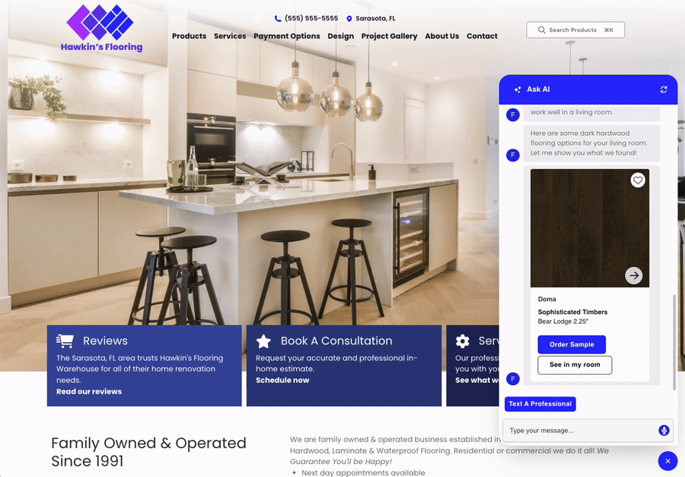
The Connected K&B Website: From First Search To First Consultation
Cocina
Baño
20/07/2026
A K&B shopper spends months researching before contacting a retailer. A connected website lets her explore products, form preferences, and book a consultation at 9pm on a Tuesday — and delivers everything she did to the designer's inbox before the first call. This article walks the nine signals that show where the gaps are and the 90-day path to closing them.