Why Two Windows Built from the Same System Can Have Different U-Values
Windows, Doors & Glass

Phil Wilson
Part 2 of our Preparing for the Future Homes Standard series
In the first article in this series, we explored why the Future Homes Standard represents a significant shift in how the industry demonstrates thermal performance. While the underlying calculation methodology remains familiar, the move from notional window sizes to calculations based on actual dimensions and configurations changes how performance is evidenced throughout the supply chain.
One of the questions we've seen come up repeatedly as the industry prepares for this transition is:
If two windows are built using the same profile system and glazing specification, why wouldn't they achieve the same whole-window U-value?
It's a fair question, and the answer isn't that the products have changed. It's that we're moving towards a more representative way of assessing the products being manufactured.
The calculation hasn't changed. The window being assessed has.
One misconception that continues to surface is that the Future Homes Standard introduces a new method of calculating U-values.
It doesn't.
The industry continues to use the recognised methodology within BS EN ISO 10077 to calculate whole-window U-values. What's changing is the window to which that methodology is applied.
Historically, thermal performance for a window system could often be demonstrated using the standard reference window defined within the standard (1230x1480 mm). That provided a consistent basis for comparison across products and reflected the practical realities of compliance at the time.
As the industry prepares for the Future Homes Standard, the emphasis shifts towards demonstrating the performance of the actual window being specified.
It may sound like a subtle distinction, but it's an important one. If the objective is to understand how a window will perform once installed, assessing the actual window rather than a representative example becomes a logical progression. As building performance expectations continue to evolve, the evidence supporting compliance is becoming more closely aligned with the product that will ultimately be manufactured and installed.
"The Future Homes Standard doesn't change how windows perform—it changes how their performance is demonstrated."
Why geometry matters
When discussing thermal performance, glazing often receives the greatest attention. Advances in low-emissivity coatings, gas fills and warm edge spacer technologies have significantly improved insulating performance over the years.
However, a window is a complete system.
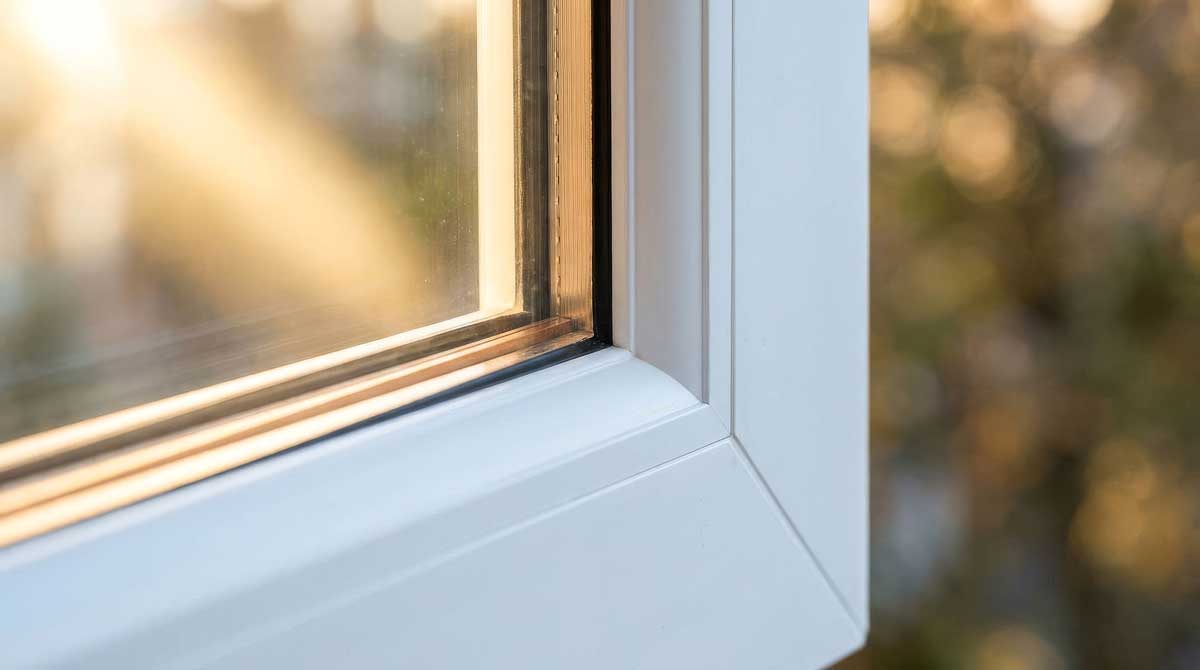
The whole-window U-value (Uw) reflects the combined contribution of the frame (Uf), glazing (Ug), and the spacer system linear transmittance (Ψ) working together. As soon as the physical size of a window changes, so does the relationship between those components.
A smaller window will typically contain proportionally more frame than glass. A larger window generally contains proportionally more glazing. Because a standard window frame profile (Uf) is almost always a significantly poorer thermal insulator than a modern center-of-glass unit (Ug), changing that physical surface area ratio alters the math. As the insulating glass area shrinks, the frame takes up a larger percentage of the overall window footprint, driving the overall Uw value up.
This isn't because either window has changed or been designed differently. It's simply recognising that two windows built from the same system are not necessarily thermally identical once their physical geometry changes.
Configuration matters too
Size is only part of the picture.
As windows become more complex, their configuration also influences performance.
Additional mullions and transoms increase the proportion of frame within the opening. Different cills influence the thermal characteristics of the finished assembly. Spacer systems contribute to linear thermal bridging (Ψ) around the perimeter of the glazing. Crucially, internal frame reinforcements, such as size-driven steel or thermal plastics, can alter the core Uf value of the profile itself.
None of these factors are new to the industry.
What is changing is that they become part of demonstrating the thermal performance of each individual window, rather than being represented by a single reference example.
For many manufacturers, this more closely reflects the reality of how windows have always been designed and manufactured, each one built to a specific size and configuration to meet a customer's requirements.
A more representative picture of performance
Across our discussions with manufacturers, profile suppliers and other industry stakeholders, one point has consistently emerged.
The Future Homes Standard isn't asking the industry to think differently about window design.
It's encouraging us to think differently about how that design is represented within the compliance process.
Moving towards calculations based on actual dimensions provides a more representative picture of the finished product. It gives manufacturers, housebuilders and specifiers greater confidence that the published performance reflects the window being supplied rather than a standard example.
Ultimately, better evidence supports better decisions, from product selection and specification through to demonstrating compliance.
Looking ahead
Understanding why different window configurations produce different whole-window U-values is only part of the story.
Those calculations also depend on accurate information about profiles, glazing, spacer systems and other product characteristics.
As the industry prepares for the Future Homes Standard, trusted product data is becoming just as important as the calculation itself.
In the next article, we'll explore why high-quality product data will play such an important role in supporting the industry's transition, and how collaboration across profile suppliers, manufacturers and technology providers will help businesses prepare for the future.
Share this article

Related blogs

Preparing Your Business for the Future Homes Standard: Why Good Data Matters
 Windows, Doors & Glass
9/17/2026
As manufacturers prepare for the Future Homes Standard, there's understandably a lot of focus on calculating a U-value for an individual window. But producing the calculation is only part of the challenge.

Why the Future Homes Standard is Changing How Windows Are Measured
Windows, Doors & Glass
7/8/2026
If you've worked in the window and door industry for any length of time, you'll know that regulation is nothing new. From changes to Building Regulations and Approved Document L through to evolving energy efficiency standards, our industry has continually adapted to meet new requirements while continuing to deliver high-performing products for homeowners and housebuilders.
How integration addresses labor gaps in window and glass plants
Windows, Doors & Glass
8/19/2025
Learn how integrated systems can help profile houses, window, door, architectural openings and flat glass fabricators overcome skilled labor shortages, reduce strain on teams, and future-proof operations.